
What a Real Roof Inspection Should Actually Cover
Most homeowners only think about their roof after something goes wrong. A shingle blows off in a windstorm, a stain shows up on the ceiling, or a hailstorm rolls through and suddenly everyone on the block is checking their roofline. By then, you're reacting instead of planning, and reacting almost always costs more.
A proper roof inspection is not a five-minute walk-around from the driveway. Here's what it should actually include, and what to watch for if a contractor's "inspection" skips half of it.
Getting on the roof, not just looking at it
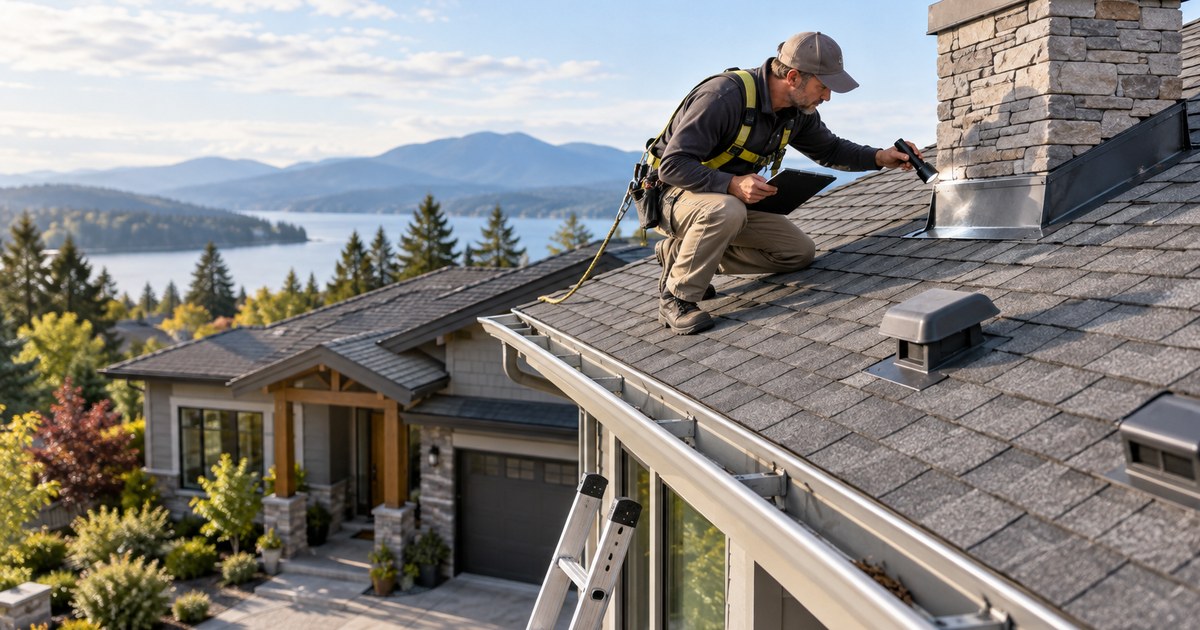
Binoculars from the ground can catch obvious problems, but they miss the details that actually matter: lifted shingle edges, granule loss, soft spots in the decking, and flashing that has pulled away around chimneys, vents, and skylights. A real inspection means someone physically walks the roof, checks the attic from the inside for daylight or water staining, and photographs anything questionable so you're not just taking their word for it.
Age and material condition, not just visible damage
A roof can look fine from 30 feet away and still be past its useful life. Inspectors should be able to tell you roughly how many years of service are left based on the material, the granule wear pattern, and how the underlayment has held up. That number matters when you're deciding between a repair and a full replacement, and it's a very different conversation for a 6-year-old roof than a 22-year-old one.
Storm history, even damage you can't see yet
Hail doesn't always announce itself with a hole. It can bruise shingles in a way that only shows up as leaks months later, once the granule coating has worn through in the impact spots. If your home has been through a hailstorm in the past year or two, whether in Tulsa proper or out toward Owasso, Broken Arrow, or Collinsville, that's worth flagging specifically during the inspection rather than waiting for a ceiling stain to bring it up.
Gutters, flashing, and ventilation as one system
A roof doesn't fail in isolation. Clogged or poorly pitched gutters send water back up under the shingle edge. Bad attic ventilation traps heat and moisture that shortens shingle life from underneath. Flashing failures around chimneys and vent pipes are one of the most common sources of leaks that get blamed on "the roof" when the shingles themselves are fine. A thorough inspection looks at all of it together, not just the shingles on top.
A written report you can actually use
If an inspection ends with a verbal "looks okay" and nothing in writing, you have nothing to compare against next year and nothing to hand an insurance adjuster if storm damage shows up later. Ask for photos and a written summary every time, even if the answer is good news.
What to ask before you book one
A few quick questions separate a real inspection from a sales pitch in disguise: Will someone physically get on the roof? Do I get photos and a written report? Is the inspection free, or does it come with pressure to sign a repair contract on the spot? A family-owned company that's been doing this since 1978, like Tulsa roofing company Pilgrim Heat, Air and Roofing, tends to answer those plainly because the inspection itself isn't the sales pitch. It's just due diligence, the same thing they'd want done on their own house.
Whether your roof is six months past a storm or six years past its last real look, an honest inspection is cheap insurance against a much bigger bill later. Get on a schedule for it the same way you would an HVAC tune-up: before there's a problem, not after.