
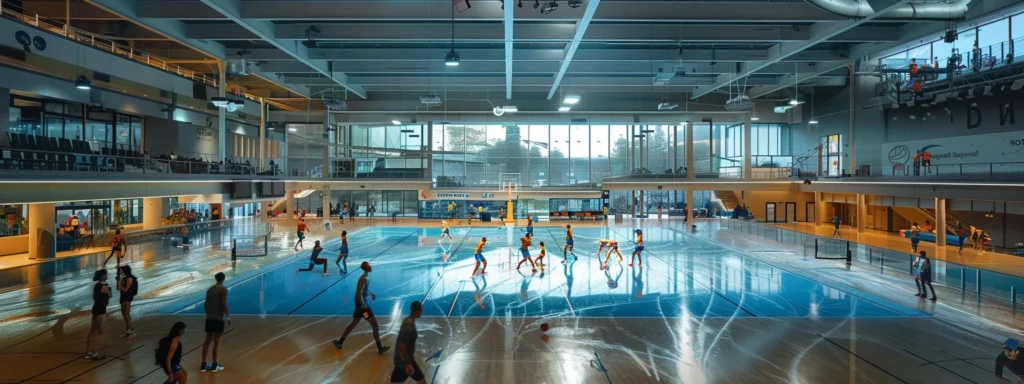
Effective Strategies for Managing a Sports Facility
Are you seeking to elevate the functionality of your sports facility but find yourself grappling with outdated infrastructure or inefficient operations? This article will guide you through pivotal strategies, such as crafting a robust management plan and harnessing technology, to streamline your sports complex. Readers will learn how to foster stronger team leadership, ensure their basketball court is more than just a playing surface, and see how even details like air conditioning can significantly impact customer satisfaction. By implementing the methods outlined here, you can tackle common challenges and transform your facility into a top-performing venue.
Key Takeaways
- Effective sports facility management hinges on continuous improvement and client feedback
- Financial analysis and safety compliance are crucial for maintaining sports facilities
- Strategic planning and goal setting drive revenue and enhance community offerings
- Continuous staff training and development are key to operational efficiency
- Utilizing technology improves facility management and customer experiences
Assess Your Sports Facility’s Current Operations

Effective management of a sports facility involves continuous assessment to ascertain areas thriving and those requiring enhancement. This process includes a thorough review of organizational practices, with a focus on financial management to gauge economic health. Additionally, it is critical to analyze client feedback for service improvement and satisfaction levels. Scrutinizing adherence to safety regulations ensures the utility and longevity of the sports facility. By examining these aspects, owners can implement strategies to bolster management services, thereby optimizing the facility’s overall performance.
Identify Areas of Strength and Improvement
Within the realm of sports facility management, pinpointing both strengths and areas for improvement is imperative for maintaining a competitive edge. Effective managers enhance visibility of the facility’s successes, which could include high customer satisfaction or efficient use of the budget, to not only promote the facility but also to establish it as a case study in adept business administration. Conversely, recognizing aspects that hinder productivity allows for strategic planning and adherence to regulations, ensuring the sports facility’s operations uphold industry standards and client expectations, thus paving the path toward sustainable improvement and growth.
Analyze Client Feedback and Satisfaction Levels
Analyzing client feedback is a cornerstone of enhancing customer service at any sports facility, as it directly informs managers about the experiences and satisfaction levels of their clientele. Soliciting responses on aspects from the exercise environment to mental health amenities can reveal critical insights into the facility’s performance. For instance, clients may express the need for additional exercise classes or advocate for spaces that support mental well-being. Managers can then consider such feedback to reevaluate operations and, if necessary, explore outsourcing certain services to specialized providers capable of meeting these demands.
This interactive process not only improves the facility’s offerings but also strengthens client relations, showing that management values their input and strives for excellence. The following table summarizes how management responded to feedback:
| Client Input Category | Management Action | Outcome |
|---|---|---|
| Exercise Classes | Introduced Additional Sessions | Increased Client Satisfaction |
| Mental Health Spaces | Created Quiet Zones | Positive Feedback on Facility Atmosphere |
| Service Outsourcing | Partnered with Wellness Experts | Enhanced Range of Services Offered |
Review Financial Performance Indicators
In managing a sports facility, reviewing financial performance indicators is crucial to ensure sustainable operations. A detailed analysis of revenue streams from baseball leagues, recreation programs, and facility rentals, juxtaposed with expenses such as energy conservation measures and emergency preparedness, provides insight into fiscal health. Managers must prioritize cost-effective initiatives and explore innovative solutions to improve accessibility, thereby driving higher participation rates and revenue. This financial scrutiny allows for informed decision-making, fostering a facility capable of adapting to the dynamic sports management landscape.
Examine Compliance With Safety Regulations
Ensuring compliance with safety regulations is a critical tool for any sports facility, whether it’s a recent construction or an older venue undergoing renovation. Managers must stay abreast of the latest safety standards in the market and sport-specific guidelines to safeguard athletes and patrons. Regular safety audits, employee training, and investment in up-to-date equipment are practical measures that not only prevent accidents but also reinforce the facility’s reputation for prioritizing well-being. This attention to detail in safety translates to trust and confidence from those who use the facility, cementing its status as a market leader in sports management.
Develop a Strategic Management Plan

To ensure the vitality and income generation of a sports facility, management must be strategic and precise. Establishing clear goals and objectives sets the foundation for profitability and efficiency. Developing standard operating procedures empowers a team through training, heightens experience quality, and optimizes facility operations. A comprehensive budget plan is essential for financial stability, while implementing risk management strategies helps safeguard against unforeseen events. Utilizing advanced software can streamline these efforts, ensuring a well-rounded approach to sports facility management.
Define Clear Goals and Objectives
Defining clear goals and objectives is paramount in sports facility management, as it provides direction for developing successful programs, enhancing aesthetics, and optimizing both lighting systems and pricing strategies. For instance, a goal may be to increase youth soccer program participation by 20% within the next year, which could involve a targeted marketing campaign and improvements to field quality. This objective tackles the facility’s need to raise revenue while enriching the community‘s athletic offerings. Setting measurable targets in these critical areas enables managers to track progress, make informed decisions, and adjust approaches to meet the evolving needs of their clients and business.
Key objectives should be specific, measurable, achievable, relevant, and time-bound. Here are the strategic goals that sports facility management might aim to accomplish:
- Boost program engagement by refining scheduling and marketing
- Improve facility aesthetics to enhance overall user experience
- Upgrade lighting systems to reduce energy costs and improve safety
- Execute competitive pricing analysis to ensure market alignment
These steps help to ensure that facility management maintains a clear focus on achieving operational excellence and client satisfaction.
Establish Standard Operating Procedures
Establishing Standard Operating Procedures (SOPs) serves as a vital component of sports facility management, providing a framework to streamline asset management, uphold quality design standards, and ensure skill development among staff. For instance, an effective SOP for energy usage will outline efficient protocols for equipment operation, integrating the sports facility’s logo conspicuously to foster a strong brand identity. Furthermore, well-documented procedures help employees manage crises with expertise, preserving the integrity and reputation of the facility.
SOPs not only facilitate smooth operations but also enable staff to respond adeptly to various scenarios, assuring clients of consistent service quality and safety:
| Operation | Procedure | Expected Outcome |
|---|---|---|
| Asset Utilization | Regular Inventory Checks | Optimal Resource Allocation |
| Energy Management | Implement Energy-Saving Measures | Cost Reduction and Environmental Sustainability |
| Brand Representation | Consistent Logo Usage | Enhanced Brand Recognition |
Create a Comprehensive Budget Plan
A comprehensive budget plan is essential in sports facility management, providing a roadmap for financial stability and strategic asset allocation. For instance, integrating data analysis can optimize the use of space, leading to informed decisions about investments such as artificial turf installation, which, while costly initially, may reduce water usage and long-term maintenance expenses. Efficient budgeting that accounts for all aspects of facility operations—from utility costs to employee training—enables managers to harness their resources effectively and ensures the facility’s financial health.
Implement Risk Management Strategies
Implementing risk management strategies within a sports facility is essential for safeguarding against liabilities and ensuring seamless operations amidst competition. Strategies such as regular safety audits for physical fitness areas and tennis courts, along with a robust waste management system, can mitigate risks and improve efficiency. Additionally, leveraging technology, such as a mobile app for real-time incident reporting, is a practical solution that not only enhances safety but also provides a competitive advantage by addressing customer convenience and experience:
| Strategy | Implementation | Impact |
|---|---|---|
| Safety Audits | Periodic Inspections of Fitness and Tennis Areas | Reduced Accident Risk and Liability |
| Waste Management | Efficient Recycling and Disposal Systems | Environmental Sustainability and Cost Savings |
| Technology Integration | Incident Reporting via a Mobile App | Immediate Response and Enhanced Customer Service |
Enhance Staff Training and Engagement

Within the dynamic landscape of sports facility management, fortifying staff training and engagement has become an essential investment. Management must provide professional development opportunities, implement effective communication channels, foster a positive team environment, and set performance metrics along with incentives. Each initiative is a building block toward creating a robust community within the facility, enhancing the operational efficiency and facilitating supply chain collaboration. These measures not only benefit the arena‘s staff but also translate into improved customer experiences due to a well-prepared and motivated team.
Provide Professional Development Opportunities
Providing professional development opportunities in sports facility management entails equipping staff with the knowledge and skills necessary to navigate the intricacies of inventory management, implement cutting-edge marketing strategies, and adeptly handle sensitive information. The utilization of technology in program management and customer relations is no longer optional but a requisite for staying competitive in this field. Professional growth initiatives enable staff to better understand and leverage these tools, leading to enhanced operational efficiency and elevated client services:
- Workshops on the latest inventory management software can streamline processes and reduce errors.
- Training sessions on developing compelling marketing strategies can boost program visibility and enrolment.
- Educational programs on protecting client information ensure compliance and foster trust.
- Tech briefings to stay current on management software and platforms can give staff a competitive edge.
Implement Effective Communication Channels
Establishing effective communication channels within a sports facility is essential for enhancing operational coordination and responsiveness. The integration of sophisticated analytics tools allows management to share insights across departments swiftly, thereby fostering innovation in service delivery and ensuring safety practices are promptly disseminated. Moreover, structured communication protocols contribute significantly to customer satisfaction by enabling staff to address concerns with agility, ultimately driving revenue through positive client experiences and word-of-mouth recommendations.
Foster a Positive Team Environment
Fostering a positive team environment within a sports facility contributes substantially to its sustainability and success, influencing everything from advertising impact to educational programs. Management can enhance staff knowledge in both sports and entertainment sectors, promoting camaraderie and a culture of continuous learning. Providing venues for team-building and recognizing individual contributions underscores the importance of collective effort, thereby fostering an atmosphere where staff are motivated to excel and support the facility’s mission and vision.
| Team Activity | Objective | Result |
|---|---|---|
| Team-Building Retreats | Strengthen Interpersonal Relationships | Improved Team Dynamics |
| Educational Workshops | Expand Industry Knowledge | Enhanced Employee Skill Set |
| Recognition Programs | Acknowledge and Reward Contributions | Increased Staff Motivation and Morale |
Set Performance Metrics and Incentives
Setting performance metrics and incentives within a sports facility, such as a stadium or ice rink, effectively aligns staff activities with the facility’s goals, driving cost–efficiency and mitigating risk. Managers are increasingly utilizing technology, including virtual reality simulations, to train employees and set precise benchmarks. Subsequently, tailored incentives that acknowledge individual and team achievements contribute to an environment of excellence and motivation, fostering a culture eager to surpass the expectations of both management and clientele.
Optimize Facility Maintenance and Safety
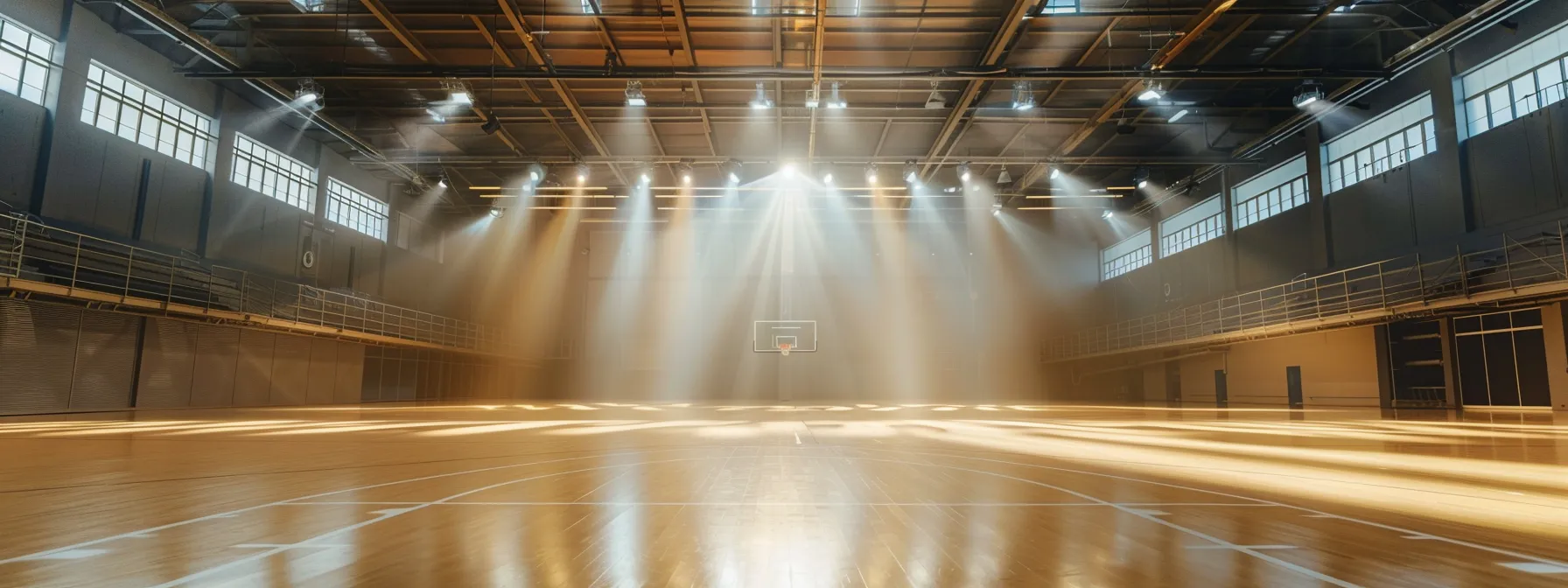
Effective management of a sports facility hinges on diligent maintenance and unyielding attention to safety standards. Regular maintenance checks cement the reputation of universities and venues in upholding quality. Implementation of energy-efficient solutions substantiates a commitment to sustainability while ensuring customer satisfaction. Ensuring that equipment meets rigorous quality benchmarks safeguards client welfare, and maintaining a pristine environment is paramount for security. These components form the bedrock of facility optimization, presenting a strategic approach to enduring operations and customer trust.
Schedule Regular Maintenance Checks
Regular maintenance checks are a fundamental strategy in ensuring the profitability and longevity of a sports facility. A systematic policy for inspecting key infrastructure, including the swimming pool, electrical systems, and human resources facilities, helps in the early identification of potential issues, thereby reducing the need for costly repairs. By proactively adhering to a thorough maintenance strategy, facilities can operate smoothly, ensuring customer safety and satisfaction while maintaining a competitive market stance.
Implement Energy-Efficient Solutions
Incorporating energy-efficient solutions into the maintenance of a sports facility, such as installing automated systems for lighting and climate control, can significantly curtail energy consumption and operational costs. A firm emphasis on collaboration between brands dedicated to sustainability and facilities specializing in areas like ice rinks or strength training can lead to innovative practices that not only reduce the environmental footprint but also enhance facility performance. Furthermore, energy efficiency intensifies the brand‘s commitment to stewardship, aligning with the values of an eco-conscious clientele and bolstering the facility’s image.
Ensure Equipment Meets Quality Standards
To maintain the safety and integrity of a sports facility, it is essential to ensure all equipment meets rigorous quality standards. Through strategic planning, managers can effectively allocate resources for the necessary employment of experienced maintenance staff and invest in comprehensive maintenance management software (CMMS) systems. The critical link between equipment reliability and staff training in a college sports facility illustrates the importance of investing in educational opportunities for maintenance personnel to uphold these standards, thereby safeguarding athletes and visitors alike.
Ensuring that such equipment adheres to quality benchmarks is not merely a matter of compliance; it is a proactive measure that can prevent injuries and extend the lifespan of valuable assets, ultimately impacting the facility’s reputation and financial health. Managers must consider the long-term benefits of these investments: improved safety records can lead to lower insurance costs and favorable public perception, which in turn can attract top talent and increase the potential for securing better employment contracts with generous salary offers. The narrative of equipment management can be summarized as follows:
- Invest in CMMS to streamline maintenance tasks and ensure timely inspections.
- Allocate budget for regular training of maintenance staff to keep them updated with current standards and practices.
- Practice diligent strategic planning to balance equipment needs with financial constraints.
Maintain Clean and Safe Environments
The inclusion of a computerized maintenance management system (CMMS) in sports facility operations is instrumental in maintaining clean and safe environments. Such systems facilitate the scheduling of regular cleanings, inspections, and repairs, ensuring health and safety standards are met consistently. Managers utilizing CMMS can efficiently coordinate tasks and monitor access control, thereby reinforcing the integrity of the facility. By integrating management software that supports proactive maintenance tasks, sports facility managers uphold the health and safety of their patrons, which is paramount in fostering a reputable and trusted establishment.
Improve Customer Experience and Services

Enhancing customer experience and services is a hallmark of proficient sports facility management. Focusing on the provision of diverse programs and activities caters to a broad client base, while customization of services addresses individual client needs. Streamlining booking and registration processes simplifies client interactions, and diligently gathering and acting on customer feedback ensures services evolve with client preferences, all contributing to an exceptional sports facility experience.
Offer Diverse Programs and Activities
To optimize customer satisfaction and retention, a sports facility should prioritize offering a wide array of programs and activities that cater to different interests and age groups. This approach diversifies the facility’s appeal and drives increased participation, as clients appreciate the personalized options available to them. By regularly introducing innovative activities, responding to fitness trends, and providing specialized training sessions, the facility demonstrates its commitment to delivering a comprehensive and dynamic sporting experience for every member.
Personalize Services to Meet Client Needs
To elevate the sports facility management, personalization is key in meeting client needs and enhancing user experience. Managers can utilize data analytics to monitor clients’ usage patterns and preferences, tailoring programs and services such as individual coaching sessions, tailored fitness plans, or family-friendly recreational activities. By actively responding to the unique interests and requirements of each client, a sports facility stands out as not only a venue for physical activity but also as a nurturing environment that recognizes and adapts to the differing goals and lifestyles of its clientele.
Streamline Booking and Registration Processes
Streamlining booking and registration processes enhances the user experience at a sports facility, making it more convenient for clients to access services. Sports facility managers can implement integrated software systems that provide intuitive online interfaces, enabling customers to schedule appointments, sign up for classes, and process payments with ease. This modern approach not only meets the expectations of tech-savvy clients but also reduces administrative burdens, enabling staff to focus on delivering superior customer service.
Gather and Act on Customer Feedback
Gathering and acting on customer feedback is essential for sports facility management to refine their services and enhance user satisfaction. By incorporating systems that capture client insights, managers can identify patterns in preferences and expectations, directing efforts towards areas needing attention. This responsive approach not only strengthens customer loyalty but also positions the facility as a leader in providing personalized, customer-centric experiences.
Leverage Technology for Operational Efficiency
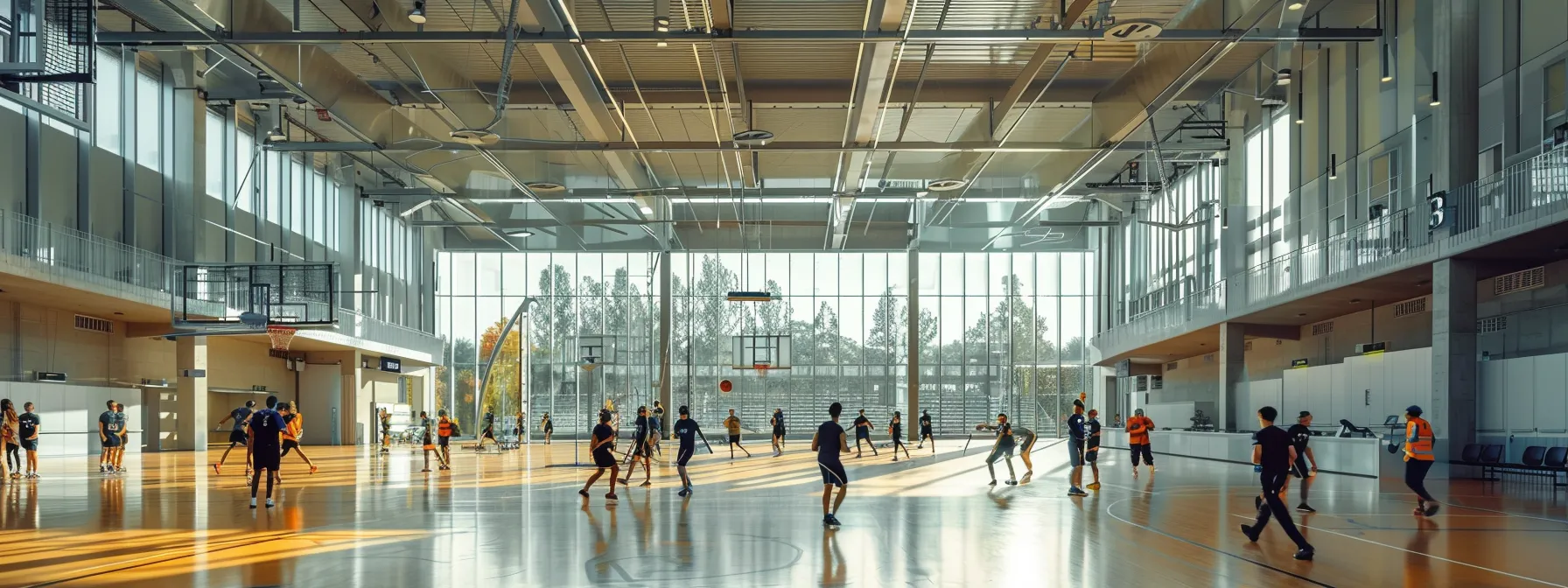
In today’s competitive landscape, sports facilities are turning to technology to enhance operational efficiency. Implementing facility management software streamlines internal processes, while online booking systems facilitate convenient client interactions. Moreover, utilizing data analytics empowers managers to make informed decisions, and a robust online and social media presence extends the facility’s reach. Each of these technological strategies plays a pivotal role in optimizing the facility’s performance.
Utilize Facility Management Software
Utilizing facility management software is an integral strategy for reinforcing operational efficiency in a sports facility. This technology serves as a centralized hub that manages scheduling, maintenance, inventory, and client data, creating a streamlined workflow for managers and staff. When sports facilities adopt sophisticated management systems, they benefit from increased accuracy in resource allocation, real-time data analysis, and enhanced communication across departments, ensuring that both the facility’s performance and client satisfaction rates soar.
Implement Online Booking Systems
Implementing an online booking system is a forward-thinking move for sports facility management, greatly simplifying the process for clients to schedule and manage reservations. This system not only enhances customer service by providing an accessible and convenient user experience; it also optimizes administrative tasks, freeing up staff to focus on other critical aspects of facility management. Clients appreciate the autonomy and flexibility of managing their bookings, while managers value the reduced workload and improved operational flow.
To further illustrate the impact of such a system, sports facilities have seen the following improvements:
- Reduction in administrative workload leading to cost savings.
- Improved utilization of facilities through better scheduling capabilities.
- Enhanced customer satisfaction due to ease of booking and payment processes.
Use Data Analytics for Decision Making
Utilizing data analytics for decision-making within sports facility management provides robust insights that drive smarter, evidence-based choices. These insights enable managers to pinpoint trends, assess the effectiveness of marketing campaigns, and optimize operations for enhanced financial performance. Sports facilities that harness the power of data analytics gain a competitive edge by adapting to changing customer behaviors and market conditions with agility and precision.
Enhance Online and Social Media Presence
Enhancing a sports facility’s online and social media presence is an astute strategy for amplifying engagement and expanding audience reach. A robust digital presence, which includes an up-to-date website and active social media profiles, creates a platform for realtime interaction with clients, promoting events and sharing success stories. Managers can thereby foster a vibrant community around their sports facility, driving both traffic and participation through targeted online content that resonates with athletes and enthusiasts alike.
Conclusion
Effective management of sports facilities hinges on robust strategies that encompass operational assessments, client service enhancements, and adherence to safety regulations. By establishing clear goals, leveraging technology for efficiency, and emphasizing regular staff training, facilities can ensure financial stability and superior customer experiences. The integration of analytic tools and feedback systems further empowers managers to make data-driven decisions and maintain high service standards. Ultimately, these strategies are vital for facilities striving to excel in competitive environments and deliver long-lasting value to their clients and communities.