
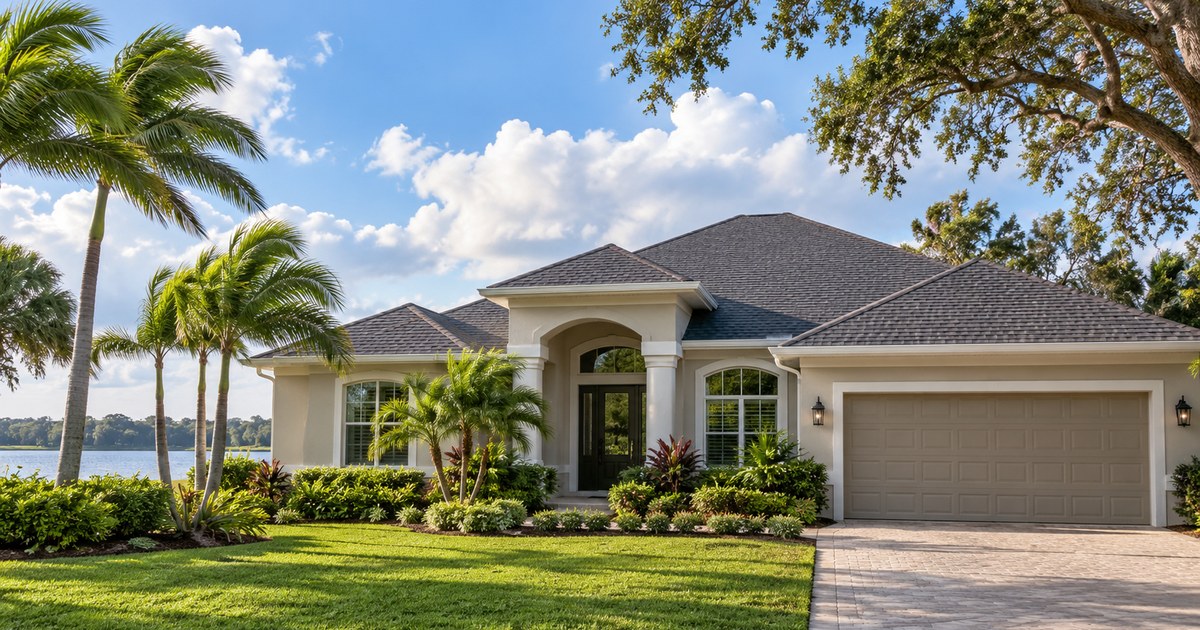
For homeowners living in Seminole County, Florida, the roof over your head is your property's primary line of defense against severe sub-tropical weather. From torrential summer thunderstorms and relentless ultraviolet radiation to high-velocity hurricane winds, Florida roofs endure punishing atmospheric wear. When an aging roof reaches the end of its useful lifespan, investing in a professional roof replacement not only protects your family and home interior but also unlocks substantial annual savings on your homeowners insurance through wind mitigation credits.
Understanding Wind Mitigation in Florida
In Florida, wind mitigation refers to specific building construction features and structural reinforcements that reduce damage caused by strong hurricane winds. State law requires property insurance providers to offer substantial discounts and premium credits to homeowners who install wind-resistant roofing assemblies and structural upgrades.
When planning a complete roof replacement in Oviedo, working with an experienced licensed roofing contractor ensures that every layer of the new installation complies with the strict Florida Building Code and qualifies for maximum insurance credits upon completion.
Critical Wind Mitigation Features for Your New Roof
During the roof replacement process, several critical construction techniques and materials directly impact both your home's structural resilience and your insurance wind mitigation inspection report:
- Roof-to-Wall Attachments: The connection between your roof trusses and exterior walls is crucial for preventing roof uplift during tropical storms. Upgrading from simple toenails to hurricane clips or double wraps substantially enhances uplift resistance.
- Enhanced Roof Deck Nailing: Florida building regulations mandate strict nailing patterns for roof deck sheathing. Upgrading to 8d ring-shank nails placed every six inches along the edges and twelve inches in the field prevents plywood panels from lifting during high winds.
- Secondary Water Barrier (SWR): An advanced secondary water barrier, such as self-adhering modified bitumen underlayment applied directly to the decking seams, provides an impervious waterproof seal. If shingles blow off during a storm, this layer prevents water intrusion into the attic and living spaces.
- Roof Geometry and Hip Roof Design: Hip roofs naturally resist hurricane-force winds better than gable roofs because they have fewer flat surfaces facing oncoming winds. Contractors can evaluate how your roof geometry affects wind resistance.
- Class 4 Impact-Resistant and High-Wind Shingles: Modern architectural shingles and standing seam metal roofing are engineered to resist winds exceeding 130 mph. Manufacturer certifications guarantee performance against windblown debris and extreme weather.
Key Steps in the Roof Replacement Process
A comprehensive residential roof replacement involves several essential phases to ensure long-term durability and structural integrity:
- Full Teardown and Deck Inspection: The contractor completely removes existing shingles and underlayment down to the bare wood sheathing, inspecting for rotted plywood, water damage, or structural weakness.
- Deck Re-Nailing and Underlayment Application: Technicians re-nail the decking to modern code and install the secondary water barrier along with high-performance synthetic underlayment.
- Precision Flashing and Drip Edge Installation: New corrosion-resistant aluminum or steel flashing is secured around chimneys, valleys, and wall junctions, paired with code-compliant drip edges along eaves and rakes.
- Shingle or Metal Assembly Installation: Premium roofing materials are installed according to manufacturer specifications and high-wind fastening patterns.
- Ventilation Optimization: Proper ridge vents, off-ridge vents, or solar attic fans are balanced with soffit intake vents to reduce moisture buildup and lower attic temperatures.
Maximizing Your Investment with a Wind Mitigation Inspection
Once your roof replacement project is complete, schedule an independent wind mitigation inspection. A certified inspector verifies the roof deck attachment, secondary water barrier, and hurricane fastening schedules, documenting every detail on the official Florida OIR-B1-1802 inspection form. Submitting this report to your insurance carrier can lower your annual insurance premiums by hundreds or even thousands of dollars over the lifetime of your new roof.
By selecting high-quality roofing materials, following rigorous installation standards, and prioritizing wind mitigation, Seminole County homeowners can enjoy complete peace of mind, reliable storm protection, and long-term financial savings.