
Learn About Modern Air Traffic Control Systems: Technologies, Management, and Future Innovations
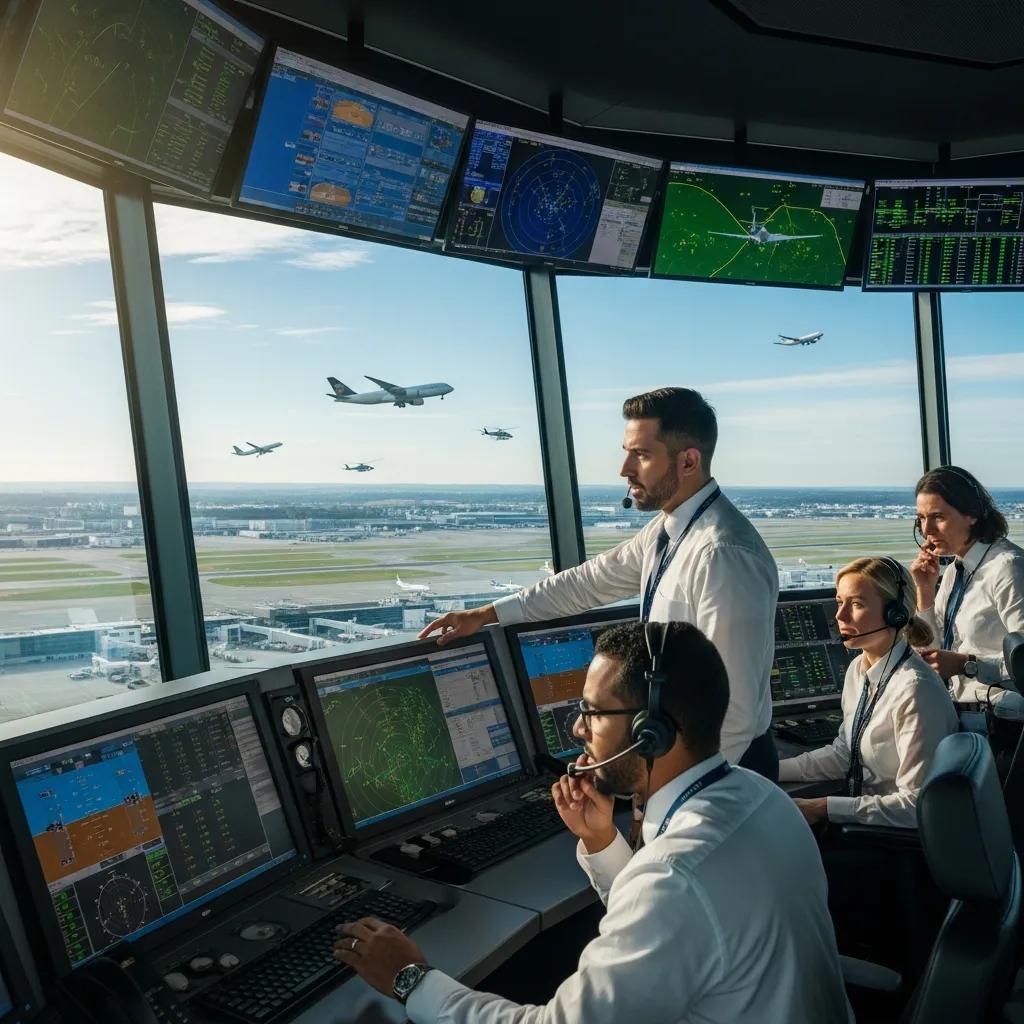
Modern air traffic control systems are essential for ensuring the safety and efficiency of air travel. These systems utilize advanced technologies and management strategies to monitor and direct aircraft in real-time, significantly reducing the risk of accidents and improving overall flight efficiency. In this article, we will explore the core technologies that underpin modern air traffic control, including radar and ADS-B technology, as well as the software and communication systems that enhance flight safety. Additionally, we will discuss the regulatory frameworks that govern air traffic control and the training required for air traffic controllers. Finally, we will look at future trends and innovations that are set to transform the industry.
What Are the Core Technologies Used in Modern Air Traffic Control?
Modern air traffic control relies on several key technologies that work together to ensure safe and efficient air travel. These technologies include radar systems, Automatic Dependent Surveillance–Broadcast (ADS-B), and advanced air traffic management software. Each of these components plays a crucial role in monitoring aircraft positions, managing airspace, and facilitating communication between pilots and air traffic controllers.
Further emphasizing the synergy between these technologies, research highlights how radar and ADS-B systems work in tandem for precise aircraft tracking and position accuracy.
Radar & ADS-B for Aircraft Tracking & Position Accuracy
For aircraft tracking mainly sensors used are primary radar, the ADS-B systems transmit the GPS position of the aircraft to the of the accuracy of the information transmitted by the ADS-B.
Radar error calculation and correction system based on ADS-B and business intelligent tools, JAF Zuluaga, 2018
| Technology | Description | Benefits |
|---|---|---|
| Radar Systems | Use radio waves to detect and track aircraft | Provides real-time data on aircraft positions |
| ADS-B | Broadcasts aircraft position and velocity data | Enhances situational awareness for pilots and controllers |
| Air Traffic Management Software | Integrates data from various sources | Improves decision-making and efficiency in air traffic control |
The integration of these technologies not only enhances safety but also streamlines operations, allowing for more efficient use of airspace.
How Does Radar Technology Enhance Air Traffic Monitoring?
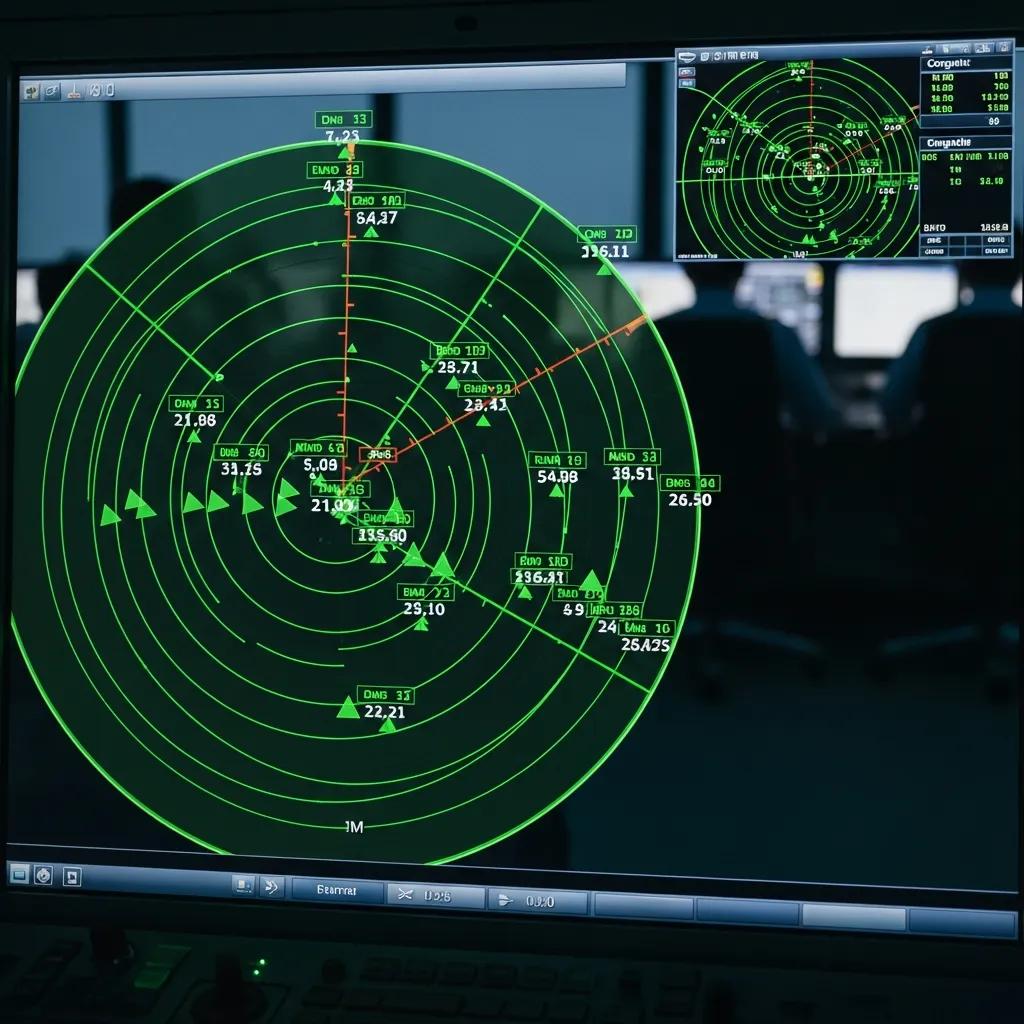
Radar technology is a cornerstone of air traffic control, providing critical information about aircraft locations and movements. By emitting radio waves that bounce off aircraft, radar systems can accurately determine their position, altitude, and speed. This information is vital for air traffic controllers to maintain safe distances between aircraft and manage their trajectories effectively.
Radar systems can be categorized into two main types: primary radar and secondary radar. Primary radar detects objects by sending out radio waves and measuring the time it takes for the waves to return. Secondary radar, on the other hand, relies on transponders in aircraft that respond to radar signals, providing more detailed information about the aircraft’s identity and altitude.
The benefits of radar technology include improved situational awareness for air traffic controllers, enhanced safety through real-time tracking, and the ability to manage complex air traffic scenarios effectively.
What Role Does ADS-B Technology Play in Aircraft Tracking?
Automatic Dependent Surveillance–Broadcast (ADS-B) technology plays a pivotal role in modern aircraft tracking. Unlike traditional radar systems, ADS-B relies on aircraft to determine their own position using GPS and then broadcast this information to air traffic control and other aircraft. This technology enhances situational awareness and provides more accurate data on aircraft movements.
The advantages of ADS-B include:
- Increased Accuracy: GPS-based positioning provides precise location data.
- Enhanced Safety: Real-time broadcasts improve communication between pilots and air traffic controllers.
- Cost-Effectiveness: Reduces reliance on ground-based radar infrastructure.
By integrating ADS-B technology, air traffic control systems can operate more efficiently, especially in remote areas where radar coverage may be limited.
How Does Air Traffic Management Software Improve Flight Safety and Efficiency?
Air traffic management software is designed to optimize the flow of air traffic and enhance safety. This software integrates data from various sources, including radar, ADS-B, and flight plans, to provide air traffic controllers with a comprehensive view of the airspace. By analyzing this data, the software can assist controllers in making informed decisions about aircraft movements.
Key features of air traffic management software include:
- Real-Time Data Processing: Allows for immediate updates on aircraft positions and conditions.
- Conflict Detection and Resolution: Identifies potential conflicts between aircraft and suggests solutions.
- Flight Plan Management: Streamlines the processing of flight plans, ensuring efficient routing.
The implementation of advanced air traffic management software significantly improves the safety and efficiency of air traffic operations.
What Are the Key Features of Modern Air Traffic Control Automation?
Automation in air traffic control is transforming the way air traffic is managed. Modern systems incorporate various automated features that assist air traffic controllers in their duties, reducing workload and enhancing safety. Key features of air traffic control automation include:
- Automated Conflict Detection: Identifies potential conflicts between aircraft and alerts controllers.
- Data Integration: Combines information from multiple sources for a unified view of air traffic.
- Decision Support Tools: Provides recommendations for optimal flight paths and traffic management.
These automated systems not only improve operational efficiency but also help mitigate human error, which is a significant factor in aviation safety.
How Do Communication Systems Facilitate Controller-Pilot Coordination?
Effective communication between air traffic controllers and pilots is crucial for safe flight operations. Modern communication systems utilize various technologies to ensure clear and reliable exchanges of information. These systems include voice communication, data link systems, and satellite communications.
Key aspects of communication systems in air traffic control include:
- Voice Communication: Traditional method for real-time communication between controllers and pilots.
- Data Link Systems: Allow for the transmission of text-based messages, reducing radio frequency congestion.
- Satellite Communications: Provide coverage in remote areas where traditional communication methods may be limited.
By enhancing communication capabilities, these systems facilitate better coordination and improve overall flight safety.
What Are the Safety and Regulatory Frameworks Governing Air Traffic Control?
Safety and regulatory frameworks are essential for maintaining the integrity of air traffic control systems. These frameworks are established by various regulatory bodies, including the Federal Aviation Administration (FAA) and the International Civil Aviation Organization (ICAO). They set standards for air traffic operations, ensuring that safety protocols are followed.
Key components of these frameworks include:
- Safety Protocols: Guidelines that govern air traffic operations to minimize risks.
- Regulatory Compliance: Requirements that air traffic control systems must meet to operate legally.
- Continuous Monitoring: Ongoing assessments to ensure adherence to safety standards.
These frameworks play a vital role in ensuring that air traffic control systems operate safely and efficiently.
How Do FAA and ICAO Regulations Impact Air Traffic Procedures?
The FAA and ICAO regulations significantly influence air traffic procedures worldwide. The FAA establishes regulations for air traffic control in the United States, while the ICAO provides international standards that member countries must adhere to. These regulations cover various aspects of air traffic management, including operational procedures, safety standards, and training requirements.
The impact of these regulations includes:
- Standardization: Ensures consistent practices across different regions and countries.
- Safety Enhancements: Promotes the implementation of best practices in air traffic control.
- Training Requirements: Establishes qualifications and training standards for air traffic controllers.
By adhering to these regulations, air traffic control systems can maintain high safety standards and operational efficiency.
What Safety Protocols Ensure Secure Airspace Management?
Safety protocols are critical for secure airspace management, providing guidelines that air traffic controllers must follow to ensure the safety of aircraft operations. These protocols encompass various procedures, including separation standards, emergency response plans, and incident reporting.
Key safety protocols include:
- Separation Standards: Guidelines that dictate the minimum distance between aircraft to prevent collisions.
- Emergency Response Plans: Procedures for handling in-flight emergencies and unexpected situations.
- Incident Reporting: Systems for documenting and analyzing incidents to improve safety measures.
These protocols are essential for maintaining a secure airspace and ensuring the safety of all air traffic operations.
What Training and Roles Define Modern Air Traffic Controllers?
Training and roles for air traffic controllers are designed to equip them with the skills necessary to manage complex air traffic scenarios. Controllers undergo rigorous training programs that cover various aspects of air traffic management, including communication, decision-making, and technical skills.
Key components of air traffic controller training include:
- Simulation Training: Provides hands-on experience in managing air traffic scenarios.
- Regulatory Knowledge: Ensures familiarity with FAA and ICAO regulations.
- Crisis Management: Prepares controllers to handle emergencies and unexpected situations.
These training programs are essential for developing competent air traffic controllers capable of ensuring safe and efficient air travel.
What Skills Are Essential for Air Traffic Controller Training?
Air traffic controllers must possess a unique set of skills to perform their duties effectively. These skills include strong communication abilities, critical thinking, and the capacity to work under pressure. Training programs focus on developing these essential skills to prepare controllers for the demands of the job.
Key skills for air traffic controllers include:
- Communication: Clear and concise communication is vital for coordinating with pilots and other controllers.
- Situational Awareness: The ability to maintain awareness of multiple aircraft and their movements is crucial for safety.
- Decision-Making: Controllers must make quick and informed decisions to manage air traffic effectively.
By honing these skills, air traffic controllers can ensure the safety and efficiency of air travel.
How Do Controllers Manage Complex Air Traffic Scenarios?
Managing complex air traffic scenarios requires a combination of skills, technology, and effective communication. Controllers must be able to assess multiple factors, including weather conditions, aircraft performance, and traffic density, to make informed decisions.
Techniques used by controllers to manage complexity include:
- Prioritization: Assessing which aircraft require immediate attention based on their situation.
- Coordination: Working closely with other controllers to ensure seamless traffic flow.
- Use of Technology: Leveraging advanced air traffic management software to assist in decision-making.
These techniques enable controllers to navigate complex scenarios while maintaining safety and efficiency.
What Are the Future Trends and Innovations in Air Traffic Control?
The future of air traffic control is poised for significant advancements driven by technology and innovation. Emerging trends include the integration of artificial intelligence (AI), enhanced automation, and the development of unmanned aerial vehicles (UAVs).
Key future trends in air traffic control include:
- AI Integration: Utilizing AI to analyze data and improve decision-making processes.
- Increased Automation: Streamlining operations through automated systems that assist controllers.
- UAV Management: Developing protocols for integrating drones into the airspace.
These innovations are expected to enhance the efficiency and safety of air traffic control systems, paving the way for a more advanced aviation landscape.
How Is AI Integration Transforming Air Traffic Management?

AI integration is transforming air traffic management by providing advanced analytical capabilities and improving operational efficiency. AI systems can process vast amounts of data in real-time, enabling controllers to make more informed decisions.
Indeed, the application of artificial intelligence, including machine learning and the integration of UAVs, is seen as a significant innovation poised to enhance efficiency and reduce human error in air traffic control.
AI, Machine Learning, and UAVs in Air Traffic Control
At this point, applying artificial intelligence (AI) technologies in air traffic control offers a significant innovation to the sector. This paper examines how AI technologies are used in air traffic control. The opportunities offered by technologies such as machine learning, deep learning, unmanned aerial vehicles (UAVs) and blockchain in air traffic control are discussed, and the role of these technologies in reducing human errors, increasing efficiency and optimizing decision-making processes.
The Use of Artificial Intelligence in Air Traffic Control: A Theoretical Review, B Yıldız, 2024
Benefits of AI integration in air traffic management include:
- Predictive Analytics: Anticipating traffic patterns and potential conflicts before they occur.
- Enhanced Decision Support: Providing controllers with data-driven recommendations for optimal traffic management.
- Resource Optimization: Streamlining operations to make better use of available resources.
The incorporation of AI into air traffic management is set to revolutionize the industry, enhancing safety and efficiency.
What Is the NextGen Air Traffic Control Program?
The NextGen Air Traffic Control Program represents a comprehensive initiative aimed at modernizing the United States’ air traffic control system. This program focuses on transitioning from traditional radar-based systems to satellite-based technologies, improving efficiency and safety.
The NextGen program specifically aims to develop collaborative air traffic management solutions that enhance traffic flow planning and meet diverse stakeholder objectives.
NextGen Collaborative Air Traffic Management Solutions
Air traffic management needs a collaborative traffic flow planning system to better meet stakeholder objectives and make air travel. This system has prototyped NextGen traffic flow planning services.
NextGen collaborative air traffic management solutions, 2008
Key goals of the NextGen program include:
- Enhanced Safety: Implementing advanced technologies to reduce the risk of accidents.
- Increased Efficiency: Streamlining air traffic operations to minimize delays and optimize routes.
- Environmental Sustainability: Reducing the environmental impact of air travel through more efficient flight paths.
The NextGen program is a critical step toward creating a more advanced and efficient air traffic control system for the future.